Most sheet metal shops that work across steel, stainless steel, and aluminum end up running separate processes for each material, since cross-contamination and inconsistent edge quality are real risks when different metals share the same equipment. GEWA Blechtechnik GmbH, a roughly 54,000 sq ft sheet metal shop in Ried im Traunkreis, Austria, with about 65 employees, found a way around that problem, and the approach is worth a look for any shop juggling a mixed order book.
The application
Cutting is only the first step. Once a part is laser or plasma cut, it still has burrs, sharp edges, and oxide scale that need to come off before it can be welded, coated, or assembled. That is where GEWA's business lives: slag removal, deburring, edge rounding, and surface finishing, done consistently across steel, stainless steel, and aluminum for customers in electronics, machinery, and automotive, industries that do not leave much room for inconsistent finish quality.
The hard part is doing all three materials on one line. Wet grinding keeps dust and heat down, which is good for finish quality and for the shop floor generally. But it also means water is present at every stage, and that is a real risk to tooling and material compatibility if the line is not set up right.
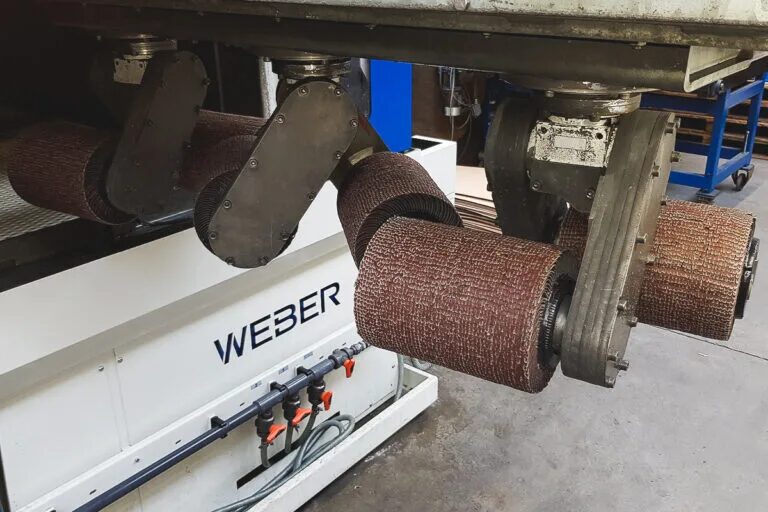
"Thanks to the machine's wet grinding technology, we can safely process steel, stainless steel, and aluminum on one system," GEWA says of its setup, built around a WEBER NLC-series wet grinding and deburring machine.
Why it matters to GEWA's customers
For a job shop serving electronics, machinery, and automotive customers, being able to handle mixed materials without splitting the work across processes is a real advantage. A line that can go from a stainless bracket to an aluminum housing to a steel structural part in the same run, without cross-contamination or inconsistent edges, lets GEWA take on jobs a less flexible shop would have to farm out.
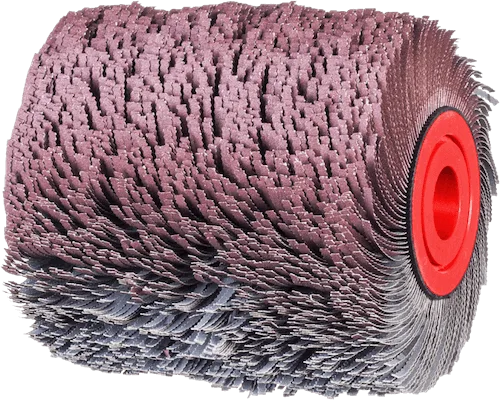
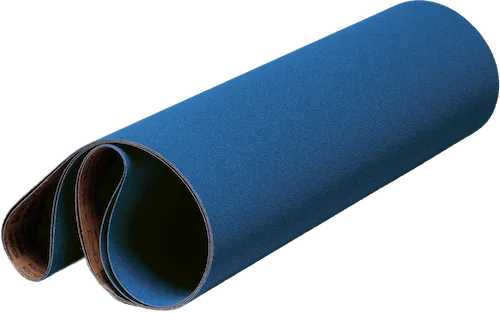
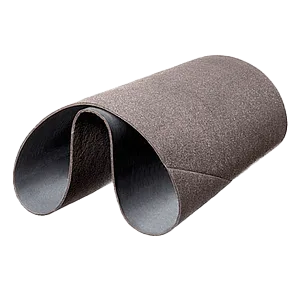
That only works if the tooling holds up under continuous wet operation. As GEWA puts it: "For high tool life and quality results in wet processing, high-quality tools are essential." The deburring wheels and abrasive belts on the line need to resist water intrusion, stay balanced at speed, and keep removal rates consistent across a shift. Get that wrong and changeovers eat into the throughput the whole setup is supposed to deliver.
Where this fits in the workflow
The wet line covers GEWA's full post-cutting workflow: slag and scale removal right after cutting, deburring and edge rounding to spec, oxide removal, and final surface finishing. Doing all four on one wet line, instead of routing parts between separate dry and wet processes, is what keeps GEWA's lead times short and its finish quality consistent across a mixed order book.
If your shop is weighing a similar setup, the tooling side of the equation, deburring wheels rated for wet operation and abrasive belts that hold up to continuous water exposure, is where a lot of that consistency actually comes from. Browse our deburring and edge rounding tools to see what's available for wet-capable lines.
Source: Boeck GmbH