Metallbau Gogoll, a master-level contract fabricator in Deisenhausen, Germany, builds a wide range of steel and sheet metal products: machine covers, frames, protective grilles, handrails, fencing, gates, carports, and stairs, for both industrial and residential customers. The shop covers the full production chain in-house, from laser cutting and bending through welding, assembly, and painting.
The application
For years, deburring at Gogoll was done by hand. Every laser-cut part came off the machine with sharp edges and burrs that had to be ground smooth before it could move on to welding, assembly, or the paint line. That is a labor-intensive step on its own, and it is also one where inconsistency shows up fast, a burr left behind can chip a coating, cause rust spots down the line, or leave a sharp edge on a handrail or grille that ends up in someone's hands.
Deburring quality also feeds directly into the next process. Clean, evenly rounded edges hold paint and coatings better, weld more evenly since the oxide layer is fully removed first, and simply assemble faster because parts are not catching or requiring rework.
What changed
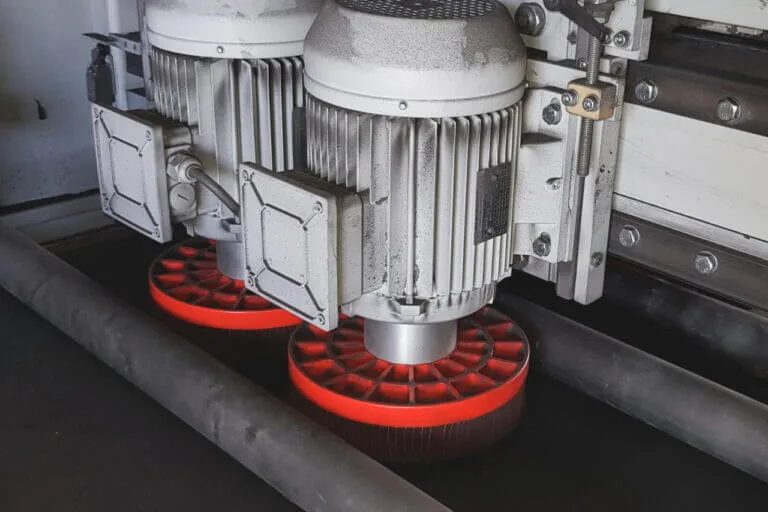
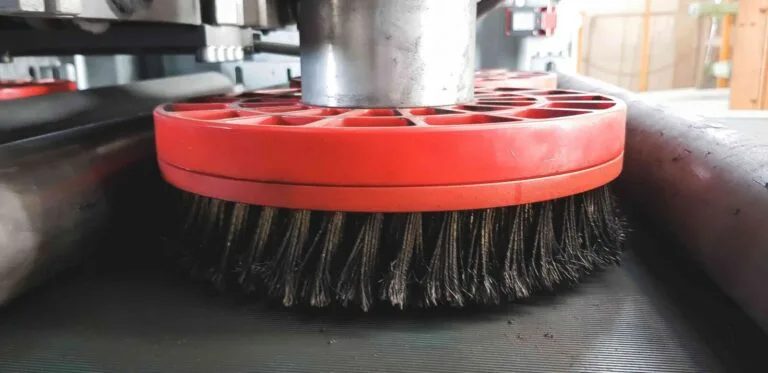
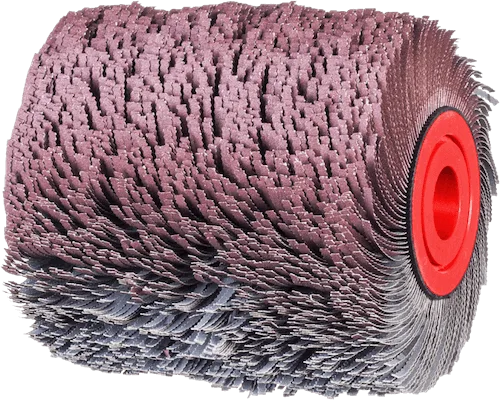
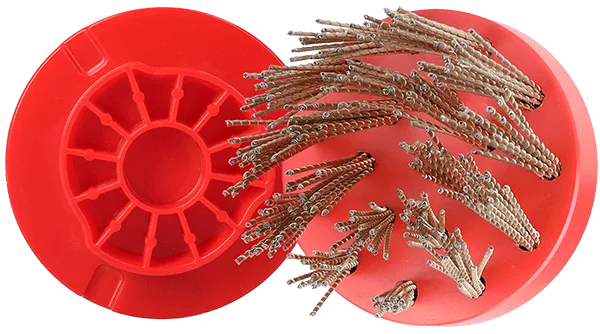
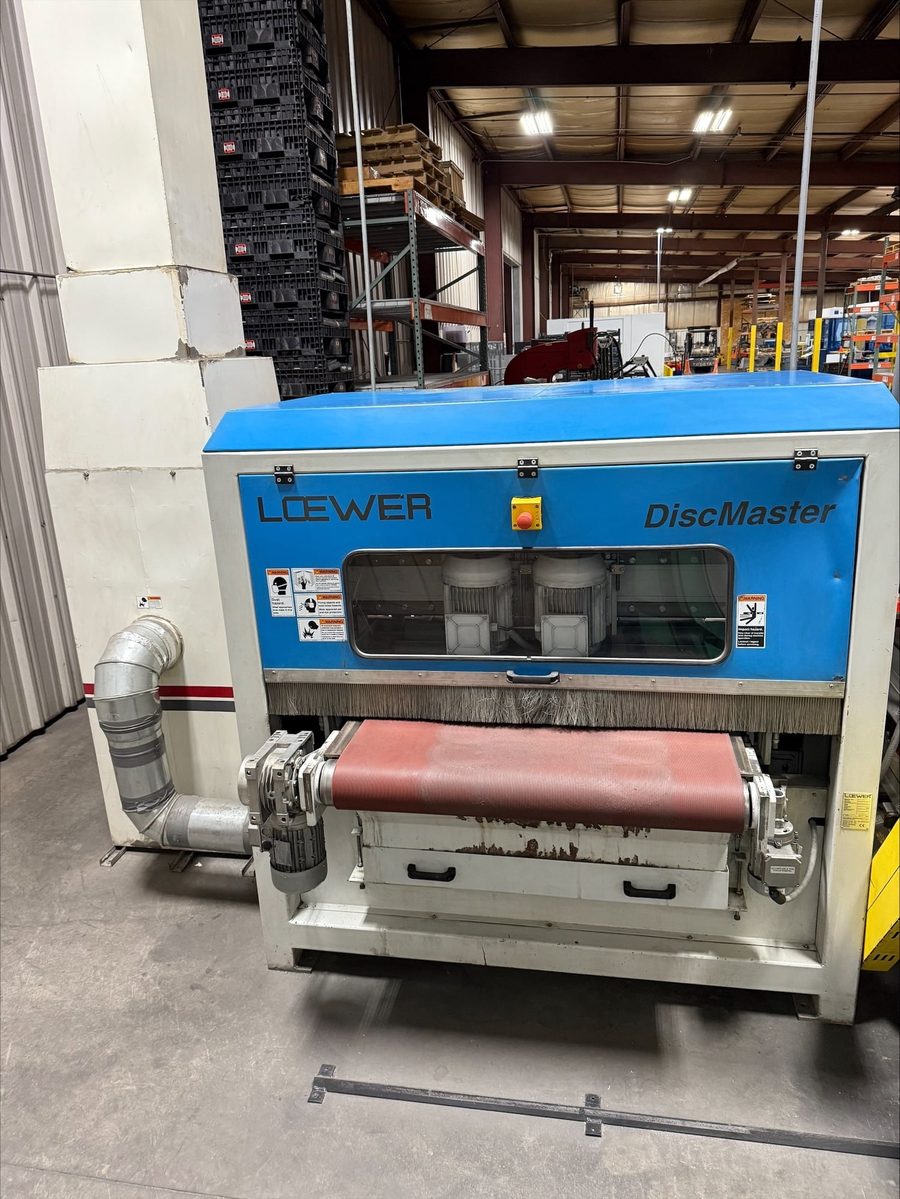
Gogoll moved deburring off the workbench and onto a Loewer DiscMaster 4TD grinding and deburring machine, running Boeck deburring wheels, about 9.8 in. diameter, and an oxide removal brush. The DiscMaster's combined rotation and oscillation covers the part in one pass in a way that hand-grinding never could, and the deburring wheels come in different grades, a general-purpose option for steel and stainless, and others suited to aluminum and plastic parts, or to more aggressive edge rounding, so the shop can match the tool to whatever is coming off the laser that day.
"The transition from manual to machine-based deburring generated significant savings in both time and personnel costs," says Rainer Gogoll, the company's manager, who sums up the shop's approach simply: "Quality is no accident."
Why it matters for a shop like Gogoll's
For a fabricator building products that range from protective grilles to carports, consistency across a wide product mix is the real challenge. Manual deburring scales badly. It ties up a person on every part, and quality depends on who is doing the grinding that day. Moving that step onto a dedicated machine turns it into a repeatable process step instead of a bottleneck, which is what let Gogoll cut both the time and the labor cost out of getting a part from the laser to the paint line, without giving up the finish quality that a "quality is no accident" shop has to hold to.
Running a Loewer machine on your own line? Our Deburring Wheel and Oxide Brush are both configurable for Loewer.
Source: Boeck GmbH. Machine photos courtesy of Russell Machine Tools.