RK Metalltechnik operates out of Baden bei Wien, Austria, building complex metal components in small batch runs for locksmiths, system manufacturers, and specialized machine builders within about a 30 km radius of the shop. Their work spans steel, stainless steel, and aluminum, which means the finishing process has to adapt job to job rather than run on a single fixed setup.
The application
Small-batch fabrication is a different problem than high-volume production. Every job can be a different material, thickness, and finish spec, so the deburring and edge-rounding step has to be flexible without sacrificing consistency. RK Metalltechnik's target was cutting the turnaround on a typical project from five business days down to two, without letting edge quality or surface finish slip in the process.
What changed
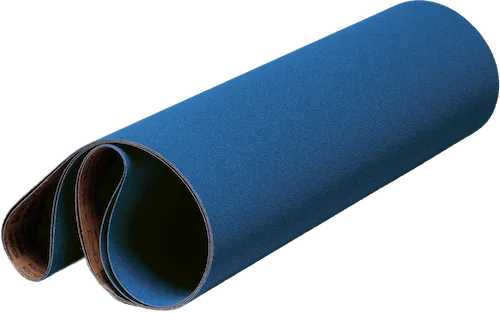
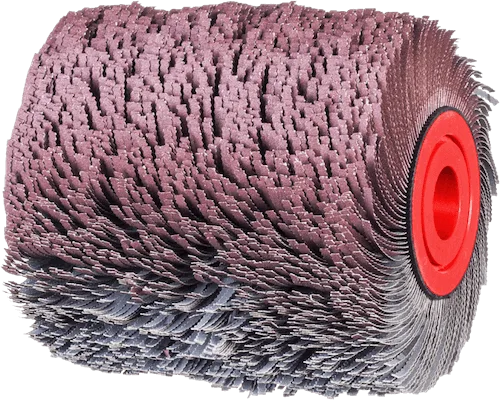
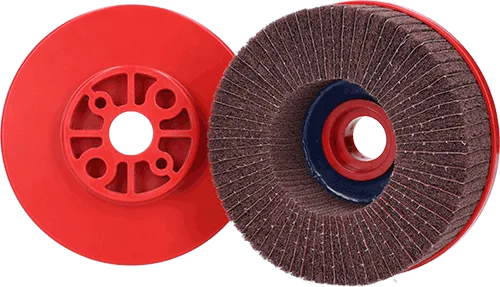
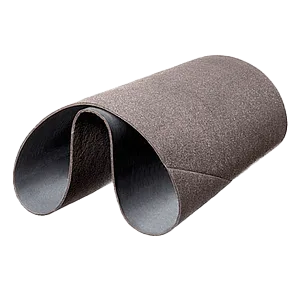
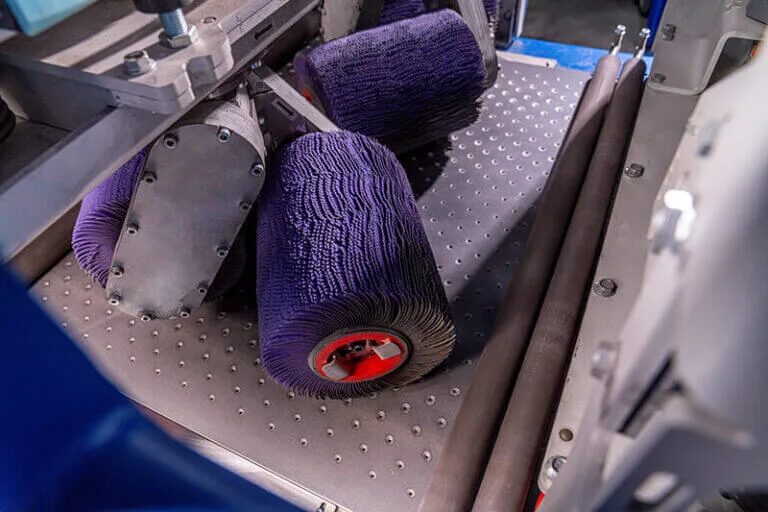
RK Metalltechnik built its process around a Weber TTSC 1100 deburring machine, using a roller-and-disc setup to handle the edge rounding. For pre-grinding, the shop runs abrasive belts in grits 80 and 120, available across four grades depending on material and finish, a universal option, a zirconium-based belt, a high-performance grade, and a silicon carbide belt for more aggressive stock removal. Edge rounding itself runs on PURPLE Edition deburring rollers and discs, which use a ceramic grain to get a strong, consistent round in minimal time. Finish grinding runs through non-woven abrasive belts across a wide grit range, 80 through 400, to dial in the final surface.
Why it matters for a shop like RK Metalltechnik's
For a shop built around small batches and a tight service radius, turnaround time is a direct competitive factor, customers choosing a local fabricator over a larger, slower one are doing it partly for speed. Standardizing the finishing chain, defined grit progressions for pre-grinding, a dedicated edge-rounding grade, and a broad range for finish work, gave RK Metalltechnik a repeatable process across three different base materials instead of reworking the approach for every job. That is what got a typical project down from five days to two without giving up the consistency their customers expect.
Running a Weber line? Our Deburring Wheel and Deburring Disc both offer the PURPLE ceramic edition for Weber, our Abrasive Cloth Belt covers the 80 and 120 grit range for pre-grinding, and our Non-Woven Belt spans 80 through 400 grit for finish work.
Source: Boeck GmbH.