Cepicat dry deburring disc brushes
Cepicat dry deburring disc brushes remove burrs, round edges, take off slag, oxide and scale, and finish steel, stainless steel and aluminum. Every brush is defined by five choices: mount, material, brush type, grit and rotation. Metal Deburring Supply is the official distributor of Cepicat deburring tools in the U.S.
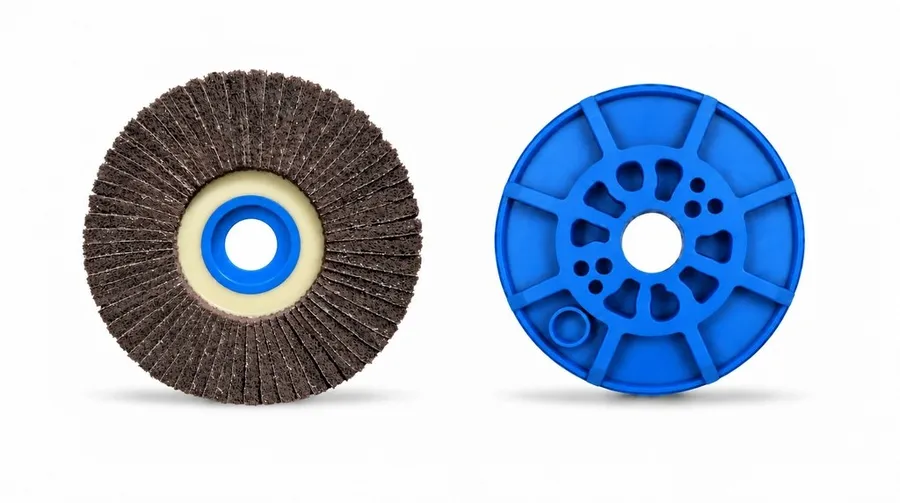
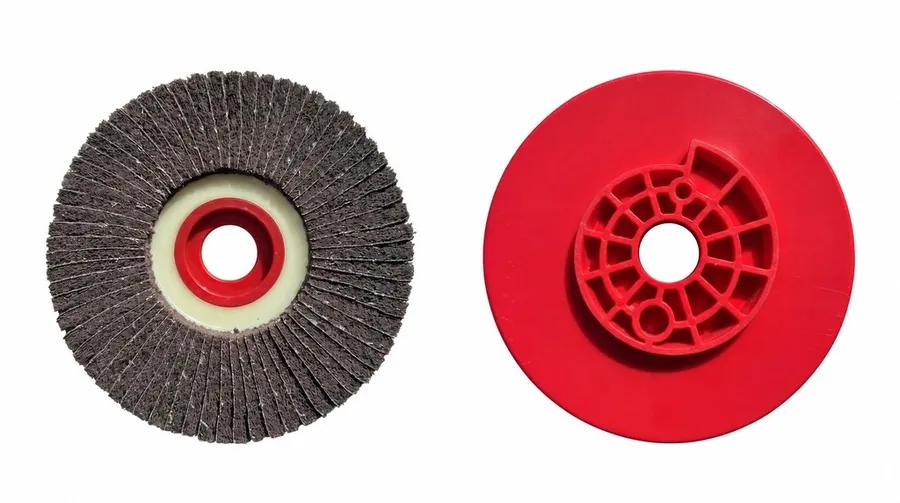
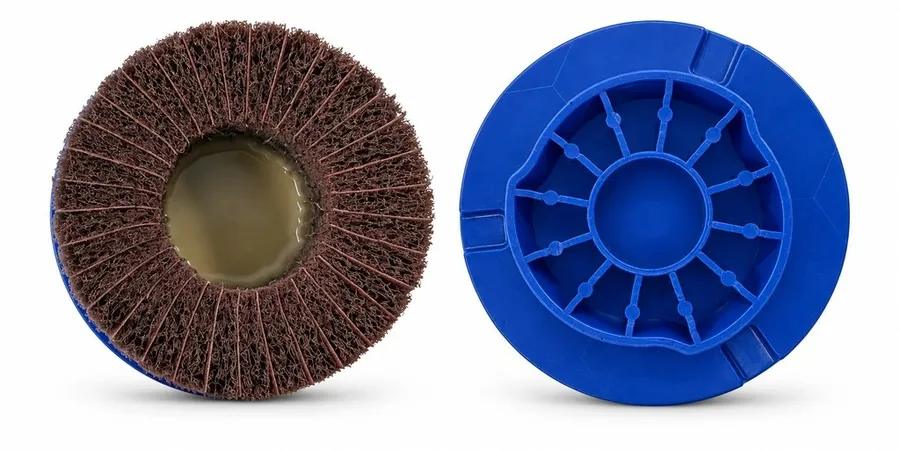
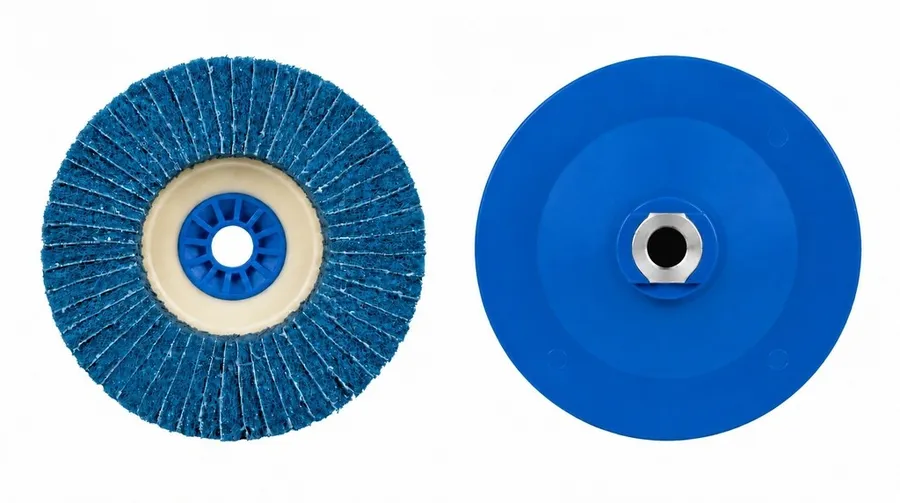
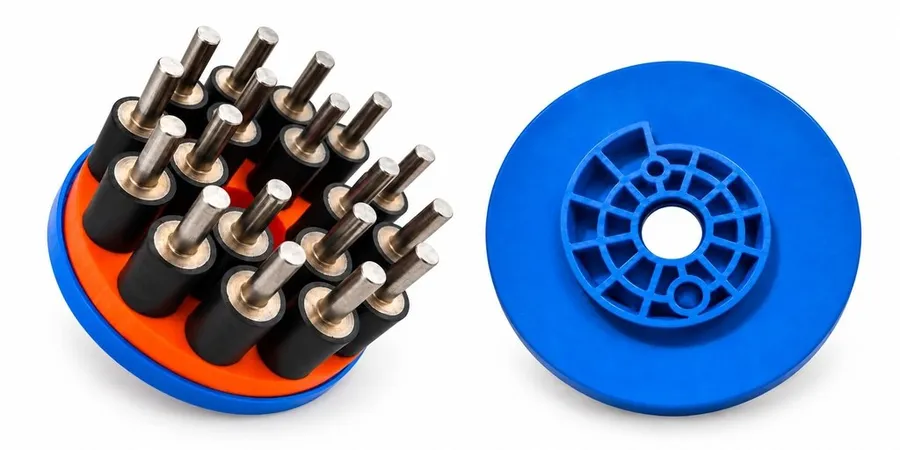
Product photos courtesy of Cepicat.
The five choices
1. Mount (fixation)
| Mount | What it is |
|---|---|
| Standard | Standard flange. Fits Costa, Timesavers, Weber, Lissmac, Q-Fin, ARKU and Loewer machines. |
| Quickfix | Snail-lock quick-change mount. Swap brushes in seconds, without tools. |
| Costa | Costa-type flange for Costa and equivalent heads. |
| M14 | Threaded, for angle grinders and M14 spindles. |
2. Material
| Material | Best for |
|---|---|
| Oxid (OX) | Aluminum oxide. General steel and iron. |
| Zirconic (ZR) | Zirconia. For stainless steel. |
| Ceramic (CE) | The all-round grain: the most aggressive, cool cutting, self-sharpening, with the longest life. |
| Steel (OR) | Steel wire with no abrasive grain. Oxide and scale removal. |
3. Brush type
| Brush type | What it does |
|---|---|
| Scotch (SH) | Abrasive with non-woven. General deburring and finishing. |
| Double Scotch (SH2) | Same action as Scotch, but cuts harder and lasts longer. |
| High Density (HD) | Abrasive only, no non-woven. Large edge radii, up to about 2 mm. |
| Flap, Tampico (FL) | Abrasive flaps with Tampico fibre. Fast, aggressive stock removal. |
| Non-woven (NW) | Fleece only. Light burrs, edge breaking and satin finish. |
4. Grit
Grits run 60, 80, 100, 120, 150 and 180 depending on size. Lower numbers are coarser: grit 60 for heavy burrs, slag and oxide, grit 180 for edge rounding and finishing.
5. Rotation
Right (clockwise, blue base) or left (counter-clockwise, red base). Match the spindle direction. On twin-head machines fit one of each.
How to read a Cepicat reference
Every dry disc brush is ordered with a reference code built from its options. Example: M150DSTDX80SH2CE = M150 (150 mm diameter) · D (dry) · ST (standard flange) · DX (right rotation) · 80 (grit 80) · SH2 (double Scotch) · CE (ceramic). Codes differ slightly by mount, so use the examples on each family page, or send us your machine and we build the reference for you.
The range at a glance
| Family | Diameters | For |
|---|---|---|
| Standard flange | 115, 125, 150, 250 mm | Brush-deburring machines with a standard flange |
| Quickfix | 115, 125, 150, 165 mm, plus 150 mm non-woven | Tool-free brush changes |
| Costa | 80 mm, 80 mm M14, 125 mm | Costa and equivalent heads |
| M14 thread | 115, 125 mm | Angle grinders and M14 spindles |
| Slag removal | 115, 125, 150, 165, 250 mm, plus Pin Slag spare pins | Slag, spatter and burrs from laser and plasma cutting |
Need something else? Cepicat makes deburring brushes to order: other diameters, grits, abrasives and mounts.
See also: Cepicat disc brush guide · Standard flange · Quickfix · Costa and M14 · Slag removal · Cepicat tools · Boeck vs Cepicat
Metal Deburring Supply is the official distributor of Cepicat deburring tools in the U.S. and a Russell Machine Tools company in Houston, Texas. Prices are by quote. Cepicat is a trademark of its owner.
Common questions
What is the difference between Oxid, Zirconic and Ceramic brushes?
Oxid is aluminum oxide for general steel and iron. Zirconic is zirconia, for stainless steel. Ceramic is the all-round grain: the most aggressive, cool cutting, self-sharpening and longest lasting.
Which grit should I choose?
Lower numbers are coarser. Grit 60 suits heavy burrs, slag and oxide. Grit 180 suits edge rounding and finishing. Most deburring work falls between 60 and 120.
How do I know which rotation I need?
Match the spindle direction. The base color shows it: blue base is right (clockwise), red base is left (counter-clockwise). On twin-head machines fit one of each so burrs are worked from both sides.
What is the High Density type for?
High Density brushes are abrasive only, with no non-woven. They are made for large edge radii, up to about 2 mm.
Can Cepicat make a custom brush?
Yes. Cepicat makes deburring brushes to order in other diameters, grits, abrasives and mounts. Tell us your material, machine and the burr or finish you need.